How can you help your fistula grow strong?
A healthy, mature fistula is important for successful dialysis. Learn how exercises, daily monitoring, and proper fistula care can help your access grow strong and function properly.
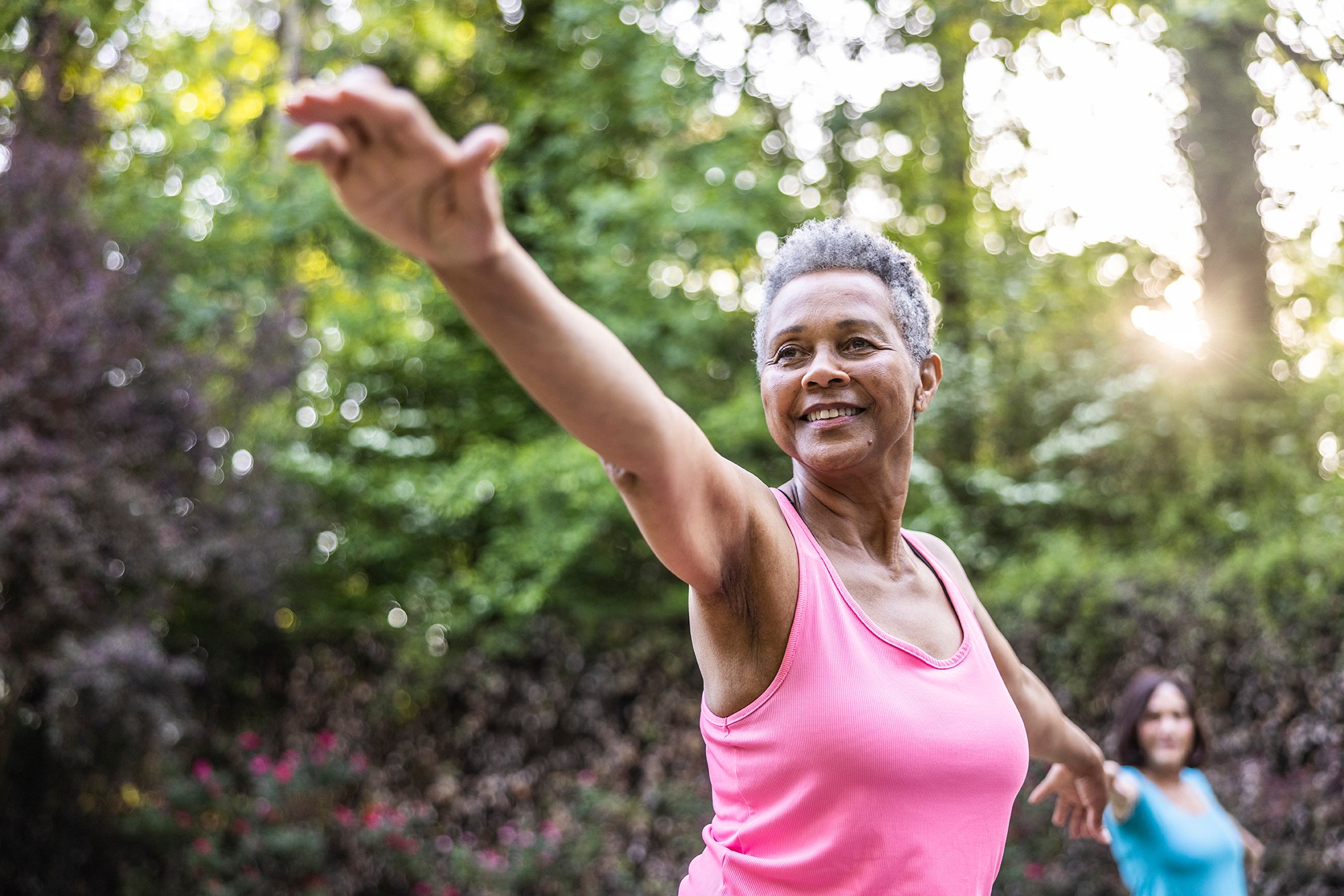
After a fistula placement surgery, your fistula needs time to grow bigger and stronger before it can be used for dialysis. This is called maturation. A mature fistula provides the blood flow needed for dialysis and helps your treatment work better.
Arm and hand exercises to help your fistula mature
Most fistulas take about 6 to 12 weeks to mature and become ready for dialysis. Check with your care team before starting any exercises after surgery and see if they have any specific exercises they want you to do.
To help your fistula grow stronger, you can do simple hand and arm exercises to help increase blood flow. Try these exercises every day:
Squeeze a soft ball
- Hold a soft stress ball or foam ball.
- Squeeze and hold for 3 to 5 seconds.
- Relax.
- Repeat 10 to 15 times.
- Do 4 sets each day.
Wrist curls
- Rest your forearm on a table with your hand hanging over the edge.
- Hold a light weight, such as a soup can or small water bottle.
- Slowly bend your wrist up, then lower it down.
- Repeat 10 times.
Arm bends
- Bend your elbow to bring your hand toward your shoulder.
- Slowly lower your arm.
- Repeat 10 to 15 times.
As your arm heals, your care team may recommend adding other gentle arm exercises.
Check your access every day
Checking your fistula every day can help you spot problems early. Look, listen, and feel to keep a small issue from becoming a larger concern.
| Step | What to do | What it means |
|---|---|---|
| Look | Check your access for redness, swelling, leaking, or other changes. | Visible changes may be a sign something needs attention. |
| Listen | Listen for a soft, low-pitched swooshing sound called a bruit. | A bruit is a good sign that blood is flowing properly through your access. |
| Feel | Place your fingers gently over your access to feel for a vibration or buzzing feeling called a thrill. | A thrill is a good sign that blood is flowing through your access. |
If you notice any changes to your access, or you can no longer hear the bruit or feel the thrill, contact your care team right away.
Tips to protect your new fistula
- Exercise every day as instructed by your care team.
- Stop and call your surgeon’s office if you have severe pain or bleeding, or your incision opens.
- Do not lift heavy objects (generally over 10 pounds) until you are cleared to do so.
- Take your blood pressure and have your blood drawn on the arm without your fistula. Also use the arm without your fistula if you need to have an IV placed.
- Keep all follow-up appointments so your care team can check how your fistula is maturing.
Key takeaways
- Most fistulas take about 6 to 12 weeks to mature before they are ready to be used for dialysis.
- Arm and hand exercises may help increase blood flow and support fistula maturation during the healing process.
- Check your access every day by looking for changes, listening for a bruit, and feeling for a thrill.
- Contact your care team right away if you notice redness, swelling, leaking, or if you can no longer hear the bruit or feel the thrill.
- Your care team can help monitor your fistula’s progress and answer questions about access care and maturation.
We are here to help
Your care team can help you find more exercises that help your fistula grow strong. Reach out for any support you need.
This serves only as a guide. Talk with your healthcare provider for more information based on your health needs.
Julie Dominguez, MD
Vice President, Medical Office, Interwell Health
Julie Dominguez, MD, is a nephrologist with extensive experience in private practice nephrology and medical education. At Interwell Health, she helps advance high-quality kidney care programs that support patients and clinicians. Dr. Dominguez earned her medical degree from the University of Texas Southwestern Medical Center, completed her Internal Medicine residency at Duke University, and completed her Nephrology fellowship at the University of California San Diego.