How do you manage phosphorus with kidney disease?
Managing phosphorus levels is crucial for kidney health—discover expert tips on eating well and avoiding high-phosphorus foods to protect your bones and heart.

Why phosphorus matters with CKD
When you have kidney disease, it’s harder for your kidneys to balance phosphorus levels in your blood. If your phosphorus is too high, it can increase your risk of heart disease and bone disease.
Tips for managing phosphorus
Your doctor and/or dietitian will let you know if your phosphorus levels are too high. Use these tips to manage your phosphorus.
Eat fresh food low in phosphorus
Phosphorus is found naturally in fresh foods like dairy products, whole grains, meats, legumes, and nuts/seeds all healthful choices when eaten in moderation. Talk to your dietitian about the right amount for you.
Read food labels for added phosphorus
Phosphorus can be added to foods as a preservative, which can raise your phosphorus levels more than fresh foods. It’s important to check the ingredients on the food label for added phosphorus.
Ingredients and foods to watch for
Take your phosphorous bindings as prescribed
Even with diet changes, you may need to take a prescription medication called a phosphorus binder (also known as a phosphate binder). The binder is taken with meals and snacks to help your body absorb less phosphorus.
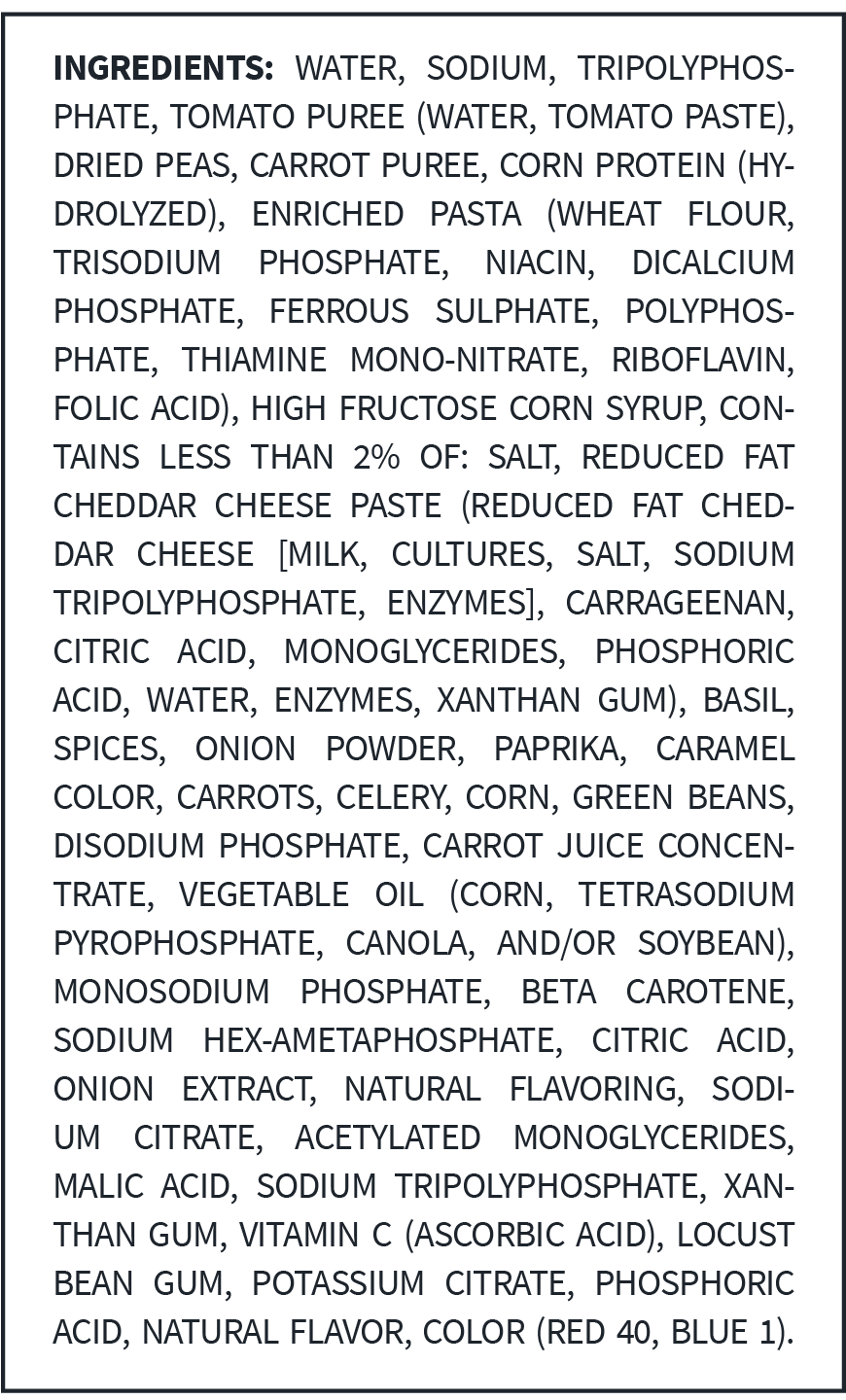
Activity: Spot the hidden phosphorus
Find the hidden sources of phosphorus in this ingredient list. Pay attention to “enhanced” raw meats too, like chicken breast and pork chops, which also contain hidden phosphates.
Hint: There are 12 hidden phosphate additives.
Key Takeaways
- High phosphorus levels can increase your risk of heart disease and bone disease.
- Choose fresh foods and read food labels to help manage your phosphorus.
- Take phosphate binders, if prescribed by your doctor, to help your body absorb less phosphorus.
- Talk with your doctor or dietitian if you have questions about managing your phosphorus.
We are here to help
We want you to feel your best. Talk with your doctor or dietitian if you have question about managing your phosphorous or taking your binders.
This serves only as a guide. Talk with your healthcare provider for more information based on your health needs.

Julie Dominguez, MD
Vice President, Medical Office, Interwell Health
Julie Dominguez, MD, is a nephrologist with extensive experience in private practice nephrology and medical education. At Interwell Health, she helps advance high-quality kidney care programs that support patients and clinicians. Dr. Dominguez earned her medical degree from the University of Texas Southwestern Medical Center, completed her Internal Medicine residency at Duke University, and completed her Nephrology fellowship at the University of California San Diego.