How can you manage fluids with chronic kidney disease (CKD)?
Learn how limiting the salt and fluid in your diet can help you stay healthier.
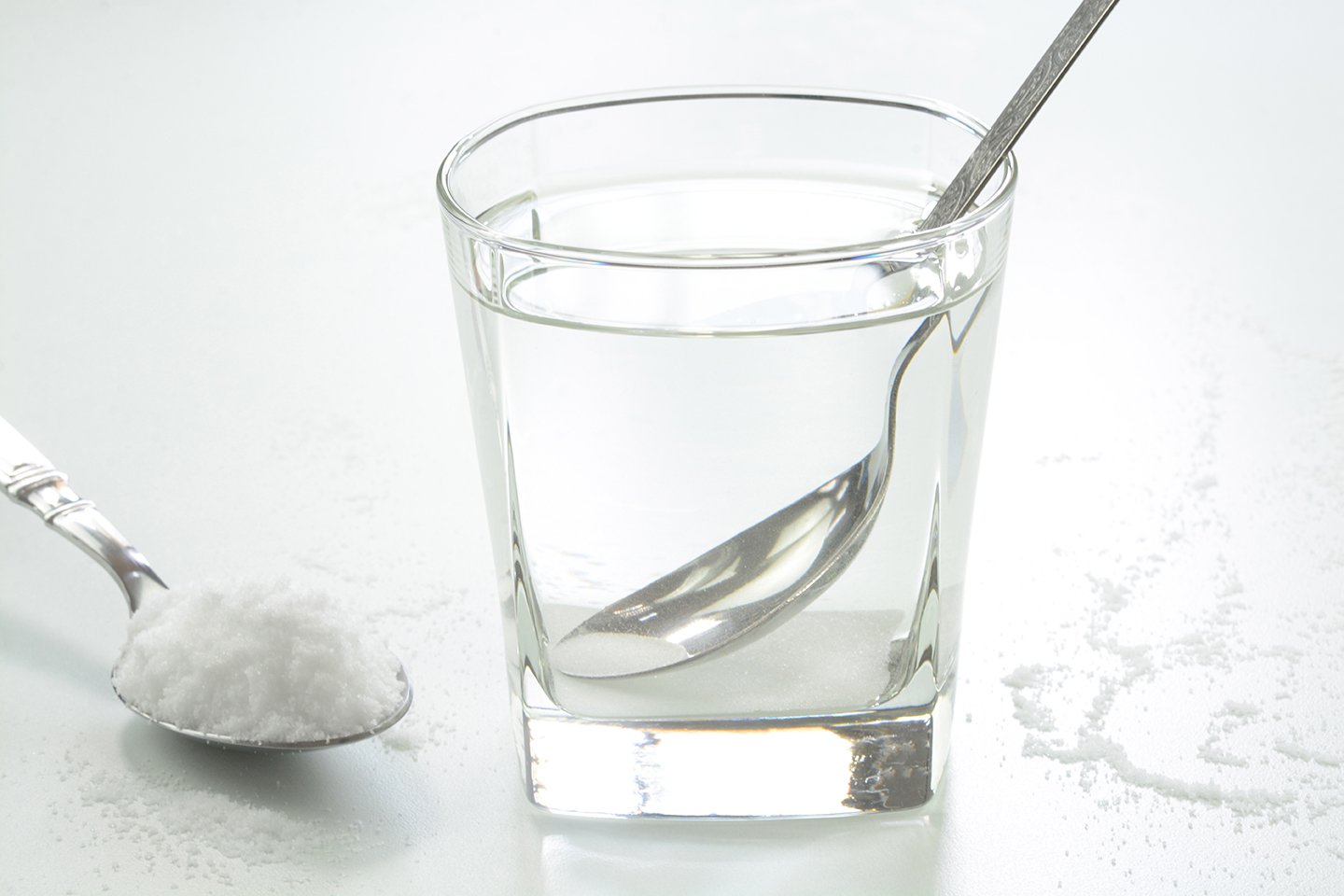
Why fluid management matters with CKD
Healthy kidneys rid the body of excess fluid. When you have chronic kidney disease (CKD), especially in later stages, it may be time to limit your sodium and fluid intake to help avoid fluid buildup. This is determined by your care team.
Signs of fluid overload
Feel better, stay healthier, and live longer by limiting your fluids. Excess fluid buildup could lead to:
- High blood pressure that may lead to a stroke
- Increased heart rate or racing heart
- Trouble breathing
- Excessive fatigue
- Swelling in your face, waist, hands, and feet
How to prevent fluid retention
Making small changes to your daily habits can help reduce fluid buildup and support your overall health. The tips below can help you manage your intake and prevent fluid retention.
Limit salt and fluids
Avoiding foods that are high in sodium (salt) and reducing your fluid intake can help prevent fluid retention.
Move your body
Regular physical activity and exercise can reduce your fluid buildup by improving circulation and blood flow. Talk with your doctor before you start a new exercise program.
Manage stress
Long term stress can increase a hormone called cortisol in your body, which directly impacts fluid retention. Find ways to control your stress like mindfulness, meditation, exercise, and getting a good night’s sleep.
Foods that count as fluids
Remember, foods that melt or are liquid at room temperature like ice cream, ice, Jello, and popsicles count as fluids!
Tips for managing fluids and thirst
These helpful tips can help you limit your fluids and manage your thirst.
Ways to curb fluid cravings
- Wait 10 minutes until the fluid craving passes.
- Try counting to 100, reading, or calling a friend before taking a sip.
- Instead of drinking, spray your mouth with water.
- Keep cool on hot days to avoid getting overheated.
- Try taking medications with applesauce instead of liquid.
- Avoid large cups or glasses and pass on refills.
- Spread your fluid allowance throughout the day and track it to stay on top of your intake.
Quench your thirst without overdoing it
- Freeze your favorite beverage in a bottle and sip as the fluid melts.
- Freeze low-potassium fruits, like grapes, strawberries, or blueberries.
Relieve dry mouth
- Try sugar-free gum and hard candy, breath-freshening spray, lemon wedges, and tart fruits.
- Rinse your mouth with water or mouthwash, but don’t swallow.
- Keep your lips moist with lip balm.
- Consider using over-the-counter products such as moisturizing mouth spray.
Tips for reducing sodium intake
Managing your sodium intake will help you control your thirst and fluid intake. Your doctor or dietitian can help you determine the right amount of sodium for you.
Choose fresh foods
Foods like fresh fruits, vegetables, and proteins are great low-sodium choices. They contain less sodium compared to processed, canned, frozen, and fast foods. Remember to be mindful of your portion sizes.
Read nutrition facts closely
Most people with CKD should consume 2 grams or less of sodium per day. Watch out for salt substitutes as they may be high in potassium.
Discover bold flavor alternatives
Avoid using table salt. Use fresh or dried herbs and spices and salt-free seasonings including garlic or onion powder, thyme, rosemary, oregano, paprika, and crushed red pepper flakes.
How to know your fluid management is working
Managing your fluid intake can help you feel better and stay healthier. The indicators below can help you understand if your fluid levels are under control.
| Indicator | What it means |
|---|---|
| Blood pressure | Readings closer to normal more often mean fluid management is on track. |
| Breathing | Improved breathing and less shortness of breath show fewer fluids are building up in the lungs. |
| Swelling (edema) | Reduced swelling in the face, waist, hands, and feet shows fluid levels are more controlled. |
We are here to help
Talk to your doctor or care provider about how much fluid you can consume each day. They will help you create a plan to monitor your intake to feel your best.
This serves only as a guide. Talk with your healthcare provider for more information based on your health needs.

Julie Dominguez, MD
Vice President, Medical Office, Interwell Health
Julie Dominguez, MD, is a nephrologist with extensive experience in private practice nephrology and medical education. At Interwell Health, she helps advance high-quality kidney care programs that support patients and clinicians. Dr. Dominguez earned her medical degree from the University of Texas Southwestern Medical Center, completed her Internal Medicine residency at Duke University, and completed her Nephrology fellowship at the University of California San Diego.