What should you know about early-stage chronic kidney disease (CKD)?
Take an active role in managing your early-stage CKD by asking your doctor key questions about the best care plan for you.
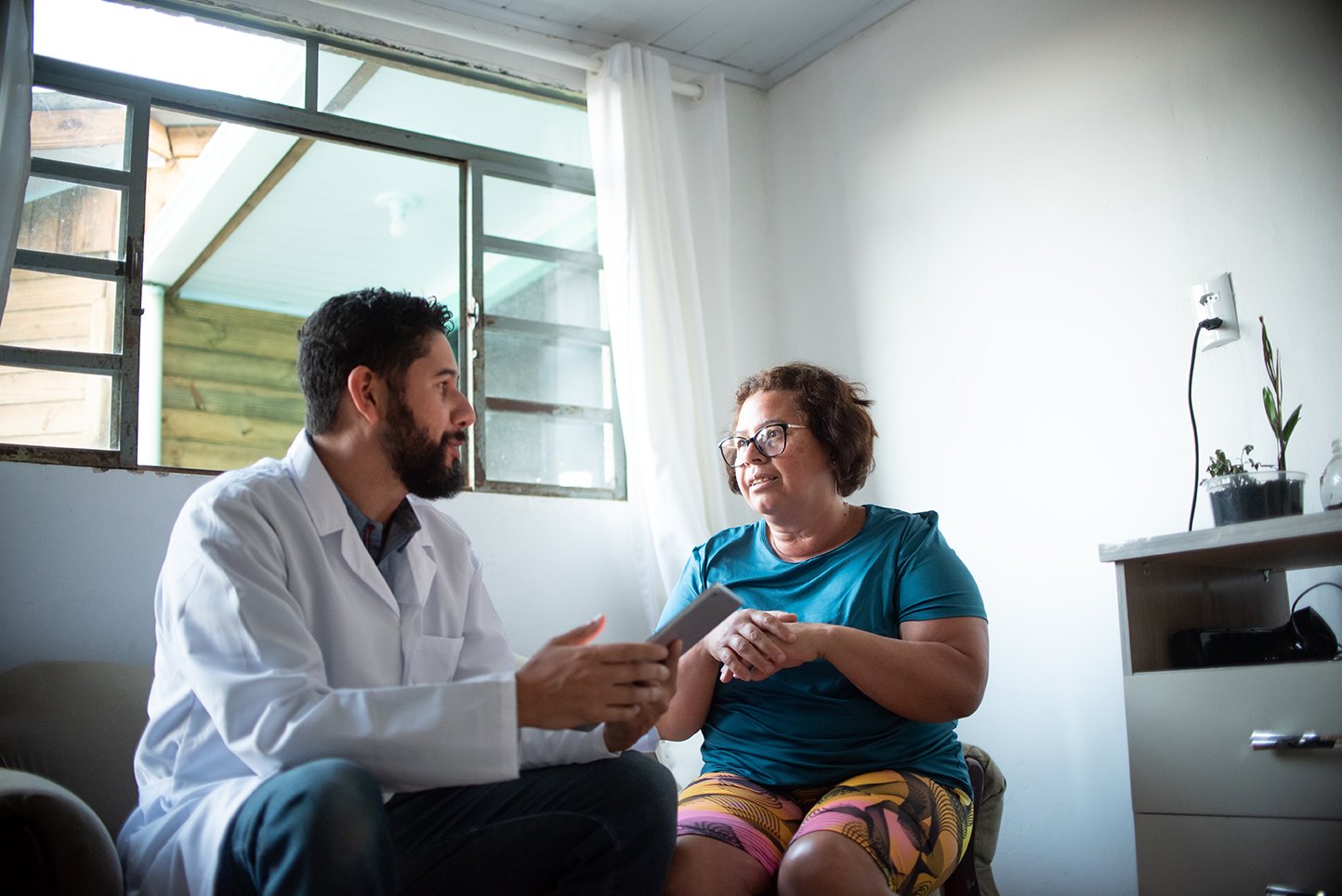
Be an active participant in your chronic kidney disease (CKD) treatment. Use these questions to start important conversations with your doctor or care team.
Questions to ask your nephrologist (kidney doctor)
- What signs or symptoms of CKD should I look for and monitor?
- What should I expect next with CKD?
- Which CKD treatments may be right for me?
- What steps can I take to improve my overall health?
- Are there other health conditions that could impact my CKD?
- Do I need to modify my medications or treatments for other current conditions like diabetes or high blood pressure?
- Is there anything I may experience that I should contact you about?
- Do I need to modify my diet? Should I see a renal dietitian?
- What causes kidney failure?
- How can I reduce my risk of complications?
Understanding your eGFR
Estimated glomerular filtration rate (eGFR) is a lab test that shows how well your kidneys are cleaning blood. Your eGFR number can help you and your care team understand kidney function and monitor changes over time.
Key takeaways
- Use these questions to have informed conversations with your doctor or care team about managing early-stage CKD.
- Ask about your eGFR, treatment options, lifestyle changes, and ways to help protect your kidney function.
- Managing conditions like diabetes and high blood pressure can help slow CKD progression and reduce complications.
- Taking an active role in your care can help you maintain your kidney health and prepare for any future changes.
We are here to help
Reach out to your care team for support and to get your questions answered.
This serves only as a guide. Talk with your healthcare provider for more information based on your health needs.

Julie Dominguez, MD
Vice President, Medical Office, Interwell Health
Julie Dominguez, MD, is a nephrologist with extensive experience in private practice nephrology and medical education. At Interwell Health, she helps advance high-quality kidney care programs that support patients and clinicians. Dr. Dominguez earned her medical degree from the University of Texas Southwestern Medical Center, completed her Internal Medicine residency at Duke University, and completed her Nephrology fellowship at the University of California San Diego.