Understanding Low Blood Pressure
Explore the symptoms and causes of low blood pressure and how to manage it with kidney disease. Find helpful tips to stay safe and feel your best.
Low blood pressure (also called hypotension) can be a concern for people living with chronic kidney disease (CKD). If you’re on dialysis or taking medications that affect your blood pressure, understanding low blood pressure is key to staying safe and feeling your best.
What is low blood pressure?
Blood pressure is measured in two numbers: systolic (top) and diastolic (bottom). In general, anything below 90/60 mmHg is considered low. However, what is “too low” can vary from person to person. Work with your kidney doctor and/or your heart doctor to understand your target range.
Low blood pressure and kidney disease
There are several reasons you might experience low blood pressure:
- Dialysis treatments remove fluid, which can lower blood pressure.
- Dehydration from not drinking enough fluids can lower blood pressure.
- Medications for blood pressure or your heart may lower your pressure too much.
- Heart conditions can affect blood flow, which can lower blood pressure.
Symptoms of low blood pressure
If you’re experiencing any of the following symptoms, check your blood pressure to see if the reading is low and make a note to share with your doctor.
Signs to watch for:
- Dizziness or lightheadedness
- Blurred vision
- Nausea
- Cold, clammy skin
- Fatigue or weakness
- Confusion or difficulty concentrating
If you have diabetes, these signs could also be caused by high or low blood sugar. Check your blood sugar (also called glucose) to see if it could be causing any symptoms.
Call 911 or go to the emergency room if you experience chest pain, vomiting, trouble finding words, slurred speech, or fainting.
Managing low blood pressure
There are steps you can take to manage your low blood pressure, including:
- Getting enough salt and fluids
Your care team can help you create a nutrition plan for low blood pressure—specifically getting enough salt and fluids to raise your blood pressure. - Wearing compression stockings
Compression stockings, also called support stockings, can improve blood flow from your legs to your heart. They can be helpful if you stand for long periods of time. - Avoiding or limiting alcohol
Talk to your care team about the current alcohol recommendations and ways to reduce your alcohol intake. - Managing other health conditions
A healthy lifestyle and taking your prescribed medications can help manage conditions like hormonal imbalances, heart problems, anemia, or medication side effects that could affect blood pressure. - Preventing falls
A type of low blood pressure called orthostatic hypotension can make you feel dizzy when standing too quickly. Try rising slowly from sitting or lying down and using a support like a wall or chair to help prevent falls. - Tracking your blood pressure at home
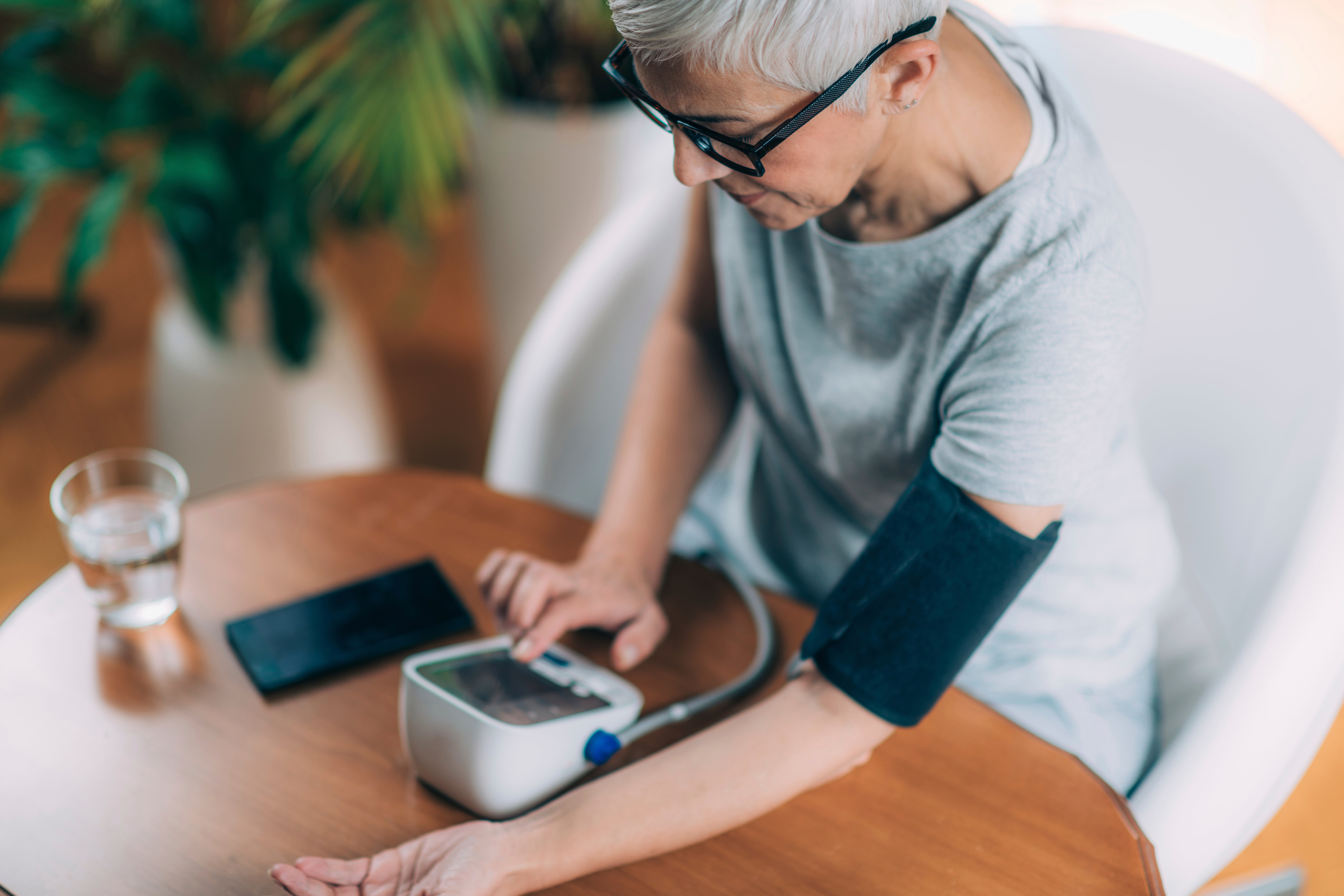
Keeping a blood pressure log and bringing it to your appointments can help you and your doctors understand what may be causing your low blood pressure. If checking at home, make sure you use an arm blood pressure cuff.
When to contact your doctor
Contact your doctor if:
- You experience fainting or frequent dizziness.
- Your blood pressure consistently drops below your target range.
- Low blood pressure symptoms interfere with daily life or dialysis sessions.
We are here to help
Your Interwell Health Care Team can help you learn more about low blood pressure and ways you can help manage it. Reach out with any questions you have.
This serves only as a guide. Talk with your healthcare provider for more information based on your health needs.